

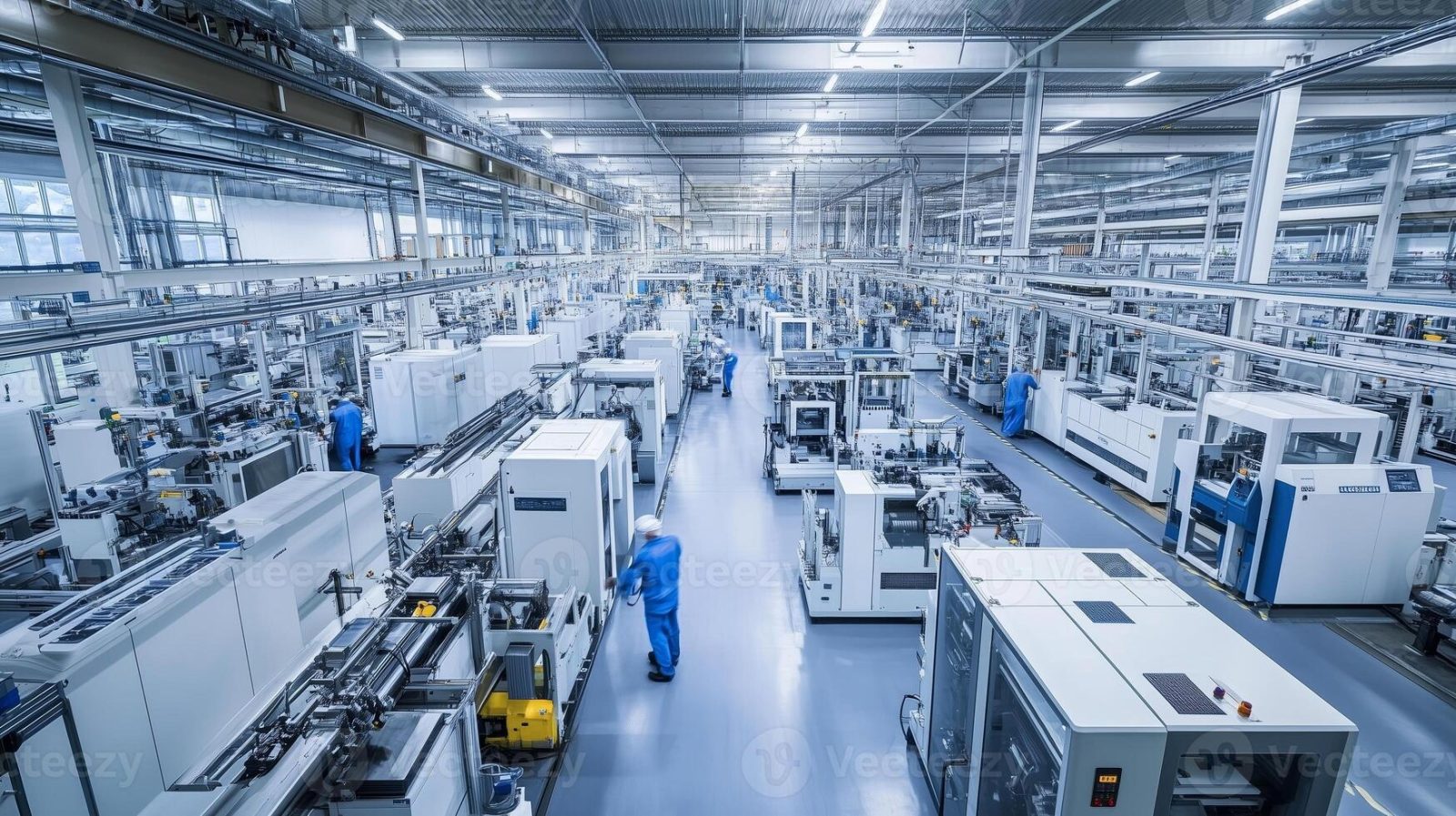
The relentless pursuit of operational efficiency defines the trajectory of modern manufacturing. Faced with volatile global supply chains, fluctuating raw material costs, and intense global competition, facilities cannot afford to sustain hidden costs or structural inefficiencies. To thrive, forward-thinking enterprises rely on Lean manufacturing principles as their foundational operational framework. Originally derived from the Toyota Production System, Lean is not merely a collection of cost-cutting tools. Instead, it represents a comprehensive philosophy focused on maximizing customer value while systematically exposing and eliminating waste.
In a traditional manufacturing facility, inefficiencies are frequently masked by excess inventory, bloated lead times, and redundant administrative workflows. Lean manufacturing completely dismantles this reactive approach. By transforming organizational culture and restructuring physical production environments, Lean principles empower facilities to operate with extreme agility, higher quality control, and optimized cost structures.
The Core Foundations of Lean Thinking
Implementing Lean successfully requires an organization to align its entire operational structure around five sequential core principles.
Specifying Value from the Customer Perspective
Value in manufacturing is strictly defined by the end consumer. It represents the specific feature, quality level, price point, or timeline for which a customer is actively willing to pay. Any activity, component, or processing step that does not directly contribute to meeting these exact customer requirements is classified as non-value-added, or waste. Identifying value forces managers to look at their operations from the outside in.
Mapping the Value Stream
Once value is clearly established, facilities must map the complete value stream. This involves documenting every single operational step, movement, and material transformation required to bring a product from raw material down to final delivery. This visual mapping process captures not only physical production but also information flows, revealing exactly where bottlenecks occur, where material sits idle, and where unnecessary processing happens.
Creating Continuous Flow
Legacy manufacturing systems rely heavily on batch processing, where large volumes of identical parts are created and pushed to the next workstation to sit in a queue. Lean eliminates this disruptive pattern by establishing continuous flow. In a flow-based system, production is reconfigured so that items move smoothly through the manufacturing sequence one piece at a time, entirely eliminating idle wait times between operations.
Implementing a Pull System
In a pull-based operational model, nothing is manufactured upstream until a downstream process or the final customer explicitly requests it. This contrasts sharply with traditional push systems that manufacture goods based on rigid, speculative long-term forecasts. A pull system ensures that production speeds match actual consumption patterns, preventing the accumulation of massive warehouse surpluses.
Pursuing Absolute Perfection
Lean is never a static target or a one-time project. It requires an organizational commitment to continuous improvement, a concept known as Kaizen. This philosophy dictates that every process can be continually refined, stabilized, and optimized. It shifts the corporate culture so that employees at every level of the organization are actively engaged in spotting and removing minor daily inefficiencies.
Analyzing the Eight Mortal Wastes of Manufacturing
To eliminate operational friction, facility managers must train their workforces to recognize the eight distinct categories of industrial waste, commonly referred to by the acronym DOWNTIME.
-
Defects: Every time an item is manufactured incorrectly, it requires expensive rework, scrap disposal, extra inspection time, and wasted raw materials. Defects directly erode net margins and disrupt predictable delivery timelines.
-
Overproduction: Manufacturing items ahead of demand or in quantities exceeding customer orders is considered the worst form of waste. Overproduction triggers other inefficiencies, forcing companies to buy extra storage racks, pay for warehouse climate control, and tie up vital working capital in unsold goods.
-
Waiting: This occurs whenever production staff or heavy machinery sit idle due to delayed material arrivals, slow equipment changeovers, missing blueprint documentation, or bottlenecked upstream processes.
-
Non-Utilized Talent: Failing to leverage the creative insights, problem-solving capabilities, and specialized skills of frontline factory floor operators leaves massive efficiency gains unrealized. Frontline workers are often best positioned to optimize their own workspaces.
-
Transportation: The unnecessary physical movement of raw materials, work-in-progress items, or finished goods across different buildings, warehouses, or processing stations. Excessive transit adds zero value to the product while increasing the likelihood of structural damage.
-
Inventory: Bloated warehouses filled with excess raw parts, unfinished assemblies, or surplus finished inventory mask underlying process instabilities. Excessive inventory occupies valuable square footage and creates a risk of product obsolescence.
-
Motion: Unnecessary physical movement by human operators during their daily duties, such as walking across the shop floor to retrieve tools, bending over excessively due to poor ergonomic setups, or searching through unorganized storage bins.
-
Extra-Processing: Performing more work on a component than what the customer requested or values. This includes utilizing ultra-high-precision machinery for parts with loose tolerance requirements, or polishing hidden internal brackets that require basic structural integrity rather than cosmetic refinement.
Tactically Operationalizing Lean via Proven Frameworks
To transform the theoretical concepts of waste elimination into daily practice, modern manufacturing facilities deploy structured visual and operational frameworks.
The 5S Workspace Optimization Methodology
The 5S framework organizes the physical work environment to maximize safety, visibility, and standardized efficiency. It consists of five consecutive phases: Sort, Set in Order, Shine, Standardize, and Sustain. Facilities first remove all non-essential equipment from the workstation, systematically organize the remaining tools in clearly labeled locations, clean the area thoroughly to expose hidden fluid leaks or mechanical wear, establish clear visual standards for daily maintenance, and implement auditing routines to ensure these habits remain permanent.
Single-Minute Exchange of Die For Rapid Flexibility
High setup and changeover times traditionally forced factories to run large, inefficient batches to justify the equipment downtime. The Single-Minute Exchange of Die technique optimizes changeover workflows by separating internal tasks, which can only be done while the machine is stopped, from external tasks, which can be prepared while the machine is running. By standardizing adjustments, using quick-release fasteners, and automating alignment procedures, facilities can drop complex changeover times from hours to under ten minutes, allowing for profitable high-mix, low-volume manufacturing.
Value Stream Mapping as a Strategic Diagnostic
Value stream mapping acts as the primary analytical tool for lean transformations. Cross-functional teams visually chart the current state of a production line, documenting precise metrics like cycle times, changeover durations, changeover frequencies, scrap percentages, and exact inventory volumes between workstations. This clear visual diagram exposes the vast discrepancy between total lead time and actual value-added processing time, pointing teams directly toward high-impact optimization projects.
Cultivating a Sustainable Lean Culture
The most advanced automation technology and meticulously planned facility layouts will ultimately fail to yield maximum efficiency if an organization treats Lean simply as a management directive. True Lean operational resilience relies heavily on employee psychological buy-in and decentralized accountability.
Leadership must pivot away from punitive management styles toward supportive coaching frameworks. When line operators stop a manufacturing line because they detect a structural defect, they should be praised for protecting quality rather than reprimanded for a temporary dip in volume. Continuous improvement must be democratized. By providing employees with dedicated weekly intervals to huddle, analyze workflow disruptions, and design localized solutions, companies convert their factory floors into adaptive, self-optimizing ecosystems capable of sustaining high margins over long horizons.
Frequently Asked Questions
What is the difference between Six Sigma and Lean manufacturing?
Lean manufacturing focuses primarily on maximizing efficiency, creating smooth continuous flow, and systematically removing the eight core forms of waste from operational processes. Six Sigma centers specifically on reducing quality variations, minimizing process defects, and achieving high predictability through rigorous statistical analysis and control frameworks.
How does Lean manufacturing alter supplier relationships?
Lean shifts supplier dynamics away from transactional, short-term price bidding toward highly collaborative, long-term strategic partnerships. Because Lean facilities operate on minimal inventory margins via pull systems, they require local suppliers who can deliver smaller, high-frequency shipments of components that are perfectly defect-free and synchronized with daily production schedules.
Can a facility implement Lean principles if it manufactures highly customized products?
Yes, this approach is often referred to as Lean for high-mix, low-volume manufacturing. Instead of focusing on standardizing the end product, facilities optimize and standardize the underlying operational processes. This involves organizing machinery into flexible manufacturing cells, Cross-training employees, and optimizing changeover sequences to handle diverse product variations smoothly without adding structural waste.
What is a Kanban system and how does it function on the shop floor?
A Kanban system is a visual signaling mechanism used to regulate and control pull-based production lines. It typically utilizes physical cards, digital dashboards, or empty containers to signal upstream workstations to produce a specific quantity of parts only when downstream inventories have dropped below a pre-set threshold, preventing overproduction.
Why do some corporate Lean manufacturing initiatives fail during implementation?
Lean initiatives most frequently fail due to a lack of long-term leadership commitment, treating the framework as a short-term cost-cutting exercise, or failing to engage the frontline workforce. If management imposes rigid new procedures from the top down without cultivating deep psychological buy-in and a supportive Kaizen culture, workers eventually revert to legacy habits.
How does Lean manufacturing directly impact workforce safety metrics?
Lean manufacturing and industrial safety share a strong correlation. Implementing frameworks like 5S removes clutter, trip hazards, and misplaced equipment from the production environment, while standardized workflows minimize chaotic manual interventions. Optimizing ergonomics reduces physical fatigue and repetitive strain injuries, creating an inherently safer, more orderly workspace.