

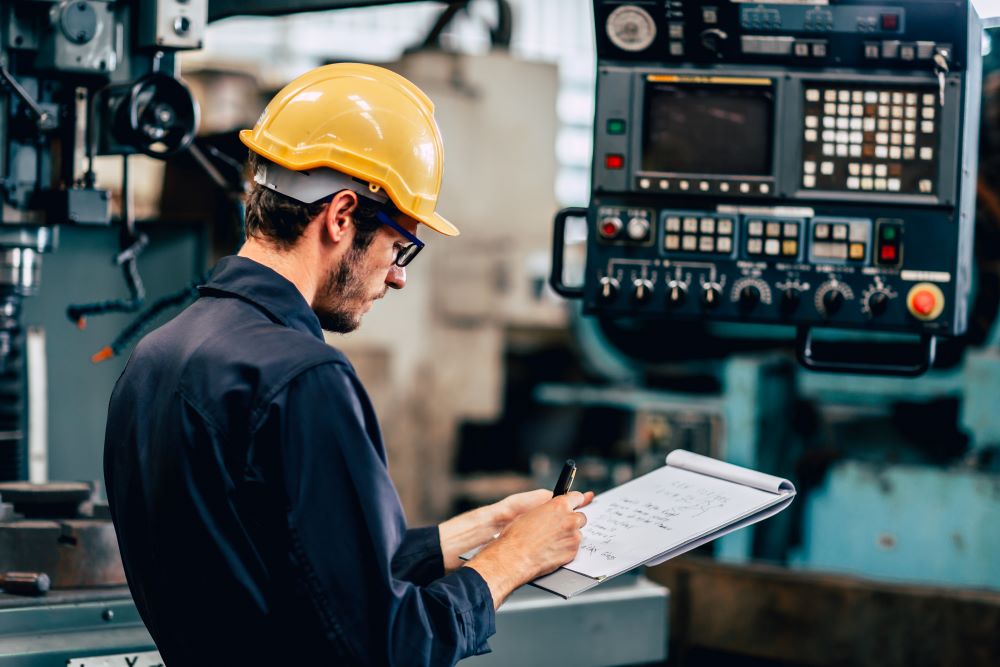
Production, in its many forms, is the lifeblood of modern economies. It is the intricate process through which raw materials are transformed into finished goods, ready for consumer use. In its simplest definition, production refers to the act of creating goods and services to satisfy the needs and wants of society. However, when examined in greater detail, the concept of production becomes far more complex, encompassing a wide range of techniques, technologies, and considerations that extend from the early stages of design to the final delivery to the consumer. This article seeks to explore the multifaceted nature of production, shedding light on its evolution, processes, and the factors that influence its future in a rapidly changing world.
The Evolution of Production: From Craftsmanship to Mass Manufacturing
Historically, production began as a highly localized, artisanal practice. In the pre-industrial era, goods were produced by individual craftsmen or small workshops. A blacksmith, for instance, would forge tools by hand, while a potter would shape clay into vessels. This process, while labor-intensive and skill-dependent, allowed for customization and high quality, but it was slow and costly. The artisan was both the designer and the producer, and the market was limited to the immediate community.
The Industrial Revolution, which began in the late 18th century, was a watershed moment in the history of production. The advent of mechanization, steam power, and, later, electricity revolutionized the way goods were manufactured. The introduction of machines and assembly lines significantly increased the speed and scale of production, enabling factories to produce goods at a level of efficiency that was unimaginable in earlier times. The mass production of goods—once the domain of expensive, handcrafted items—was now accessible to the broader public, making products like textiles, clothing, and automobiles affordable for many people.
The assembly line, famously popularized by Henry Ford in the early 20th century, epitomized the new approach to manufacturing. By breaking down production into a series of simple, repetitive tasks, Ford’s method dramatically increased output while lowering costs. This model became the foundation for industrial production across a wide range of sectors, from consumer goods to heavy machinery.
The Modern Production Landscape: Lean Manufacturing and Automation
While the Industrial Revolution set the stage for mass production, the late 20th and early 21st centuries introduced a new wave of transformation in production techniques. The rise of lean manufacturing and automation has fundamentally altered how goods are produced, with a greater emphasis on efficiency, cost reduction, and flexibility.
Lean manufacturing, a concept developed by Toyota in the post-World War II era, focuses on minimizing waste while maximizing value. In this model, every step of the production process is scrutinized for inefficiencies. Excessive movement, unnecessary inventory, and waiting times are all eliminated in favor of streamlined processes that maximize productivity. Lean manufacturing has been embraced worldwide, not just in automotive production, but in virtually every industry, from electronics to food production. The fundamental principle behind lean manufacturing is that efficiency improves not only the bottom line but also product quality, making it an enduring model for modern manufacturers.
Meanwhile, automation has drastically changed the landscape of production, particularly in industries where precision, speed, and volume are critical. The advent of robotics, advanced machinery, and artificial intelligence has led to highly automated production lines that can operate with minimal human intervention. These technologies not only reduce labor costs but also enhance the consistency and precision of products. For example, in the electronics industry, robots are used to assemble tiny components with greater accuracy than a human worker could ever achieve.
The use of automation has also enabled “smart factories,” where machines and systems are interconnected, capable of communicating and optimizing production in real-time. Using the Internet of Things (IoT), sensors monitor equipment performance, track materials, and collect data that can be analyzed to predict and prevent machine failures, optimize workflow, and ensure quality control. In industries such as automotive manufacturing, smart factories can be extremely responsive, adjusting production schedules and processes to meet shifts in consumer demand.
The Role of Supply Chains in Modern Production
While the production process itself is crucial, it is only one part of the larger supply chain that brings a product to market. The modern supply chain is a global, highly coordinated system of sourcing raw materials, manufacturing goods, and distributing them to consumers. From the procurement of raw materials in distant countries to the final delivery to local retailers, every stage of the supply chain plays a vital role in ensuring the efficient and timely production of goods.
Globalization has expanded the reach of supply chains, allowing companies to tap into markets around the world for raw materials and finished goods. However, this interconnectedness has also introduced challenges. Supply chains are often complex, involving multiple suppliers and partners across various regions, each with its own set of regulations, logistical issues, and economic conditions. Natural disasters, political instability, or economic downturns in one part of the world can have ripple effects that disrupt production schedules and increase costs elsewhere.
The COVID-19 pandemic starkly highlighted the vulnerabilities of global supply chains, causing delays, shortages, and price increases in industries ranging from electronics to food. In response, many companies have begun to re-evaluate their supply chain strategies, seeking to build greater resilience through diversification, automation, and increased local sourcing. The concept of “supply chain transparency” has also gained prominence, with consumers and regulators demanding greater visibility into the origins of products and the ethical practices of companies.
Sustainability in Production: The Need for Green Manufacturing
As the world grapples with climate change and environmental degradation, the pressure on manufacturers to adopt sustainable production practices has never been greater. The production of goods—particularly in energy-intensive industries such as steel, cement, and automotive—can have a significant environmental impact. From resource depletion to air and water pollution, the traditional methods of manufacturing have contributed to a host of environmental problems.
Green manufacturing, or sustainable production, aims to reduce the environmental footprint of industrial production. This approach involves using energy-efficient technologies, minimizing waste, recycling materials, and adopting eco-friendly sourcing practices. For instance, the automotive industry is increasingly focusing on producing electric vehicles (EVs) to reduce emissions and dependence on fossil fuels. Similarly, companies in the textile industry are embracing sustainable materials and manufacturing methods, such as using recycled fabrics or reducing water usage during dyeing processes.
Beyond environmental concerns, consumers are becoming more aware of the social impact of production. Ethical production practices—such as fair labor standards, safe working conditions, and transparency in supply chains—are now more important than ever. Companies that fail to meet these expectations risk alienating consumers and facing reputational damage. As a result, many manufacturers are taking steps to not only reduce their carbon footprint but also to ensure that their production processes contribute positively to social and economic development.
The Future of Production: Industry 4.0 and Beyond
Looking to the future, the next phase of production is already underway—an era known as Industry 4.0. Industry 4.0 represents the fourth industrial revolution, characterized by the convergence of digital, physical, and biological systems. Key technologies driving this shift include artificial intelligence, machine learning, big data analytics, 3D printing, and the continued expansion of automation and IoT.
One of the most exciting developments in production is the advent of 3D printing, also known as additive manufacturing. This technology allows for the creation of complex, customized products on demand, reducing the need for traditional molds and tooling. Industries ranging from aerospace to healthcare are already benefiting from 3D printing, and it holds the potential to revolutionize everything from construction to personalized medicine.
Additionally, the integration of artificial intelligence into production processes will lead to even greater levels of optimization. AI-powered systems will be able to predict demand with greater accuracy, optimize production schedules, and identify inefficiencies that humans might overlook. This will enable manufacturers to be more agile, responding to market changes in real-time.
Conclusion: The Ongoing Transformation of Production
The journey of production, from its humble beginnings in small workshops to the advanced, technology-driven processes of today, reflects the constant innovation and adaptation that characterize human progress. As we stand on the threshold of a new industrial revolution, it is clear that production will continue to evolve in ways that will shape economies, societies, and the environment for generations to come.
Whether through the adoption of sustainable practices, the implementation of cutting-edge technologies, or the optimization of global supply chains, the future of production promises to be more efficient, more ethical, and more responsive to the needs of consumers. As such, the ability to adapt to changing technologies, consumer demands, and environmental imperatives will be essential for manufacturers seeking success in an increasingly complex and interconnected world.