

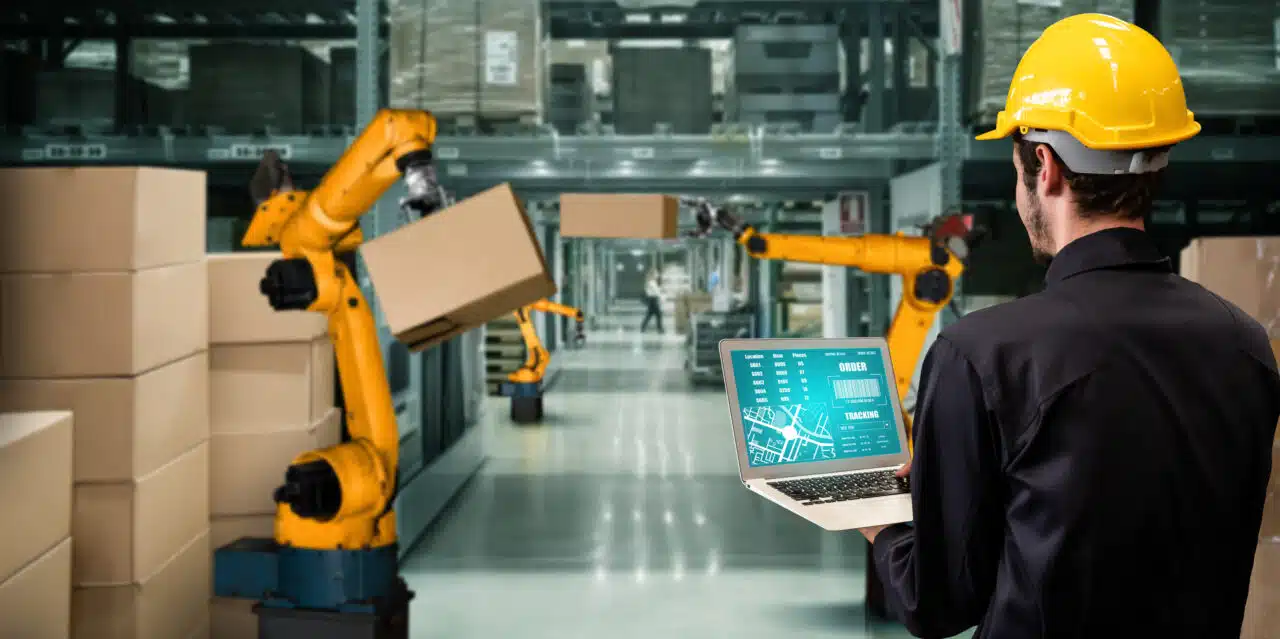
The logistics industry, once characterized by manual processes, heavy paperwork, and predictable supply chains, is undergoing a profound and irreversible transformation. This shift is not merely incremental; it is being driven by a wave of disruptive technologies that are fundamentally rewriting the rules of how goods are moved, stored, and delivered globally. The convergence of digital innovation, automation, and data analytics is creating a new paradigm of efficiency, speed, and transparency, essential for meeting the demands of a hyper-connected, e-commerce-driven world.
This modernization is critical because traditional logistics models are struggling under the weight of increasing complexity and volatility. Consumer expectations have skyrocketed, demanding faster delivery times, real-time visibility, and flexible fulfillment options, all while operating in an environment marked by geopolitical shifts, labor shortages, and environmental concerns. To survive and thrive, logistics providers are embracing technologies that offer agility, predictive capabilities, and unparalleled operational control. This article explores the most significant disruptive technologies reshaping modern logistics and their profound impact on the entire supply chain.
Artificial Intelligence and Machine Learning: The New Supply Chain Brain
Artificial Intelligence (AI) and Machine Learning (ML) are undoubtedly the most transformative forces in logistics today. They are moving the industry from reactive, descriptive analytics to proactive, predictive, and eventually prescriptive operations. AI is no longer a futuristic concept but a functional core of advanced logistics platforms.
Demand Forecasting and Inventory Optimization
One of the most critical applications of AI is in demand forecasting. Traditional methods often rely on historical data and simple trend analysis, which are inadequate in today’s volatile markets. AI algorithms can analyze vast and diverse datasets, including historical sales, weather patterns, economic indicators, social media trends, and even competitor activity, to predict future demand with unprecedented accuracy. This enables companies to optimize inventory levels across their network, reducing stockouts, minimizing excess inventory costs, and ensuring that products are strategically located closer to end consumers.
Dynamic Route Optimization
AI-powered route optimization tools are revolutionizing transportation. These systems go far beyond basic GPS navigation. They analyze real-time data on traffic conditions, accidents, weather, road construction, and delivery windows to continuously calculate and adjust the most efficient routes for delivery vehicles. By minimizing idle time, reducing miles driven, and optimizing stop sequences, AI helps logistics companies lower fuel consumption, improve vehicle utilization, and ensure on-time deliveries.
Predictive Maintenance
Machine learning models are also applied to predict equipment failures before they occur. By analyzing data from sensors installed on trucks, forklifts, conveyor systems, and other machinery, AI can identify subtle patterns that indicate potential breakdowns. This allows maintenance teams to proactively service equipment, reducing unplanned downtime, extending the lifespan of assets, and avoiding costly disruptions to logistics operations.
Automation and Robotics: Revolutionizing Warehouse Operations
The physically demanding and repetitive nature of warehouse work makes it prime ground for automation. Robotics is moving beyond simple fixed machinery to flexible, mobile, and collaborative solutions that significantly increase productivity and efficiency.
-
Autonomous Mobile Robots (AMRs): Unlike traditional automated guided vehicles (AGVs) that require fixed paths (like magnetic strips), AMRs use advanced sensors, cameras, and onboard computing to navigate dynamic environments freely. They can transport shelves to picking stations (“goods-to-person”), move pallets, and sort packages, operating safely alongside human workers. AMRs offer scalability and flexibility, allowing warehouses to easily adapt to changes in volume and layout.
-
Automated Storage and Retrieval Systems (ASRS): ASRS are high-density, vertical storage solutions that use automated cranes or shuttles to retrieve and deposit goods. These systems maximize warehouse space utilization and dramatically increase picking speed and accuracy, essential for high-volume e-commerce fulfillment.
-
Robotic Picking and Packing: Robotic arms equipped with advanced vision systems and sophisticated grippers are increasingly capable of performing intricate picking and packing tasks. While traditionally a challenge due to varying product shapes and textures, improvements in AI and sensor technology are making these robots viable for handling a wider range of goods, reducing reliance on manual labor for tedious tasks.
-
Drone Technology: Although largely in the pilot phase for last-mile delivery, drones are finding significant application within large warehouses for inventory auditing. Drones equipped with cameras and RFID readers can rapidly fly through warehouse aisles, scanning barcodes and verifying inventory levels with speed and accuracy unattainable by human workers.
The Internet of Things (IoT): Creating End-to-End Visibility
The Internet of Things (IoT) is creating a truly connected supply chain by embedding sensors and communication devices into vehicles, containers, pallets, and individual packages. This network of physical objects generating and exchanging data provides unparalleled visibility and control.
Real-Time Asset Tracking
IoT devices offer granular, real-time tracking of assets throughout their journey. This visibility extends far beyond knowing simply where a shipment is. Temperature and humidity sensors can monitor sensitive cargo (like pharmaceuticals or perishables), shock sensors can detect rough handling, and light sensors can indicate unauthorized tampering. This data allows logistics managers to proactively address issues, ensure product integrity, and provide customers with accurate, up-to-the-minute status updates.
Fleet Management and Cold Chain Integrity
In transportation, IoT enables sophisticated fleet management. Sensors monitor vehicle health, driver behavior, and fuel efficiency, allowing operators to optimize performance and safety. In the cold chain, IoT is indispensable. Continuous monitoring ensures that temperature-sensitive goods remain within specified ranges, generating alerts the moment a deviation occurs. This dramatically reduces spoilage and ensures regulatory compliance.
Blockchain Technology: Building Trust and Transparency
While often associated with cryptocurrency, blockchain technology holds immense promise for logistics due to its core characteristic as a distributed, immutable ledger. This technology can address critical challenges related to documentation, provenance, and trust.
-
Unalterable Record Keeping: In a complex supply chain involving multiple parties, maintaining accurate and trustworthy records is difficult. Blockchain allows each transaction (e.g., origin verification, customs clearance, change of ownership) to be securely recorded on a shared ledger. This information cannot be altered, providing an auditable and transparent history of the entire supply chain.
-
Smart Contracts for Automation: Blockchain can facilitate the use of smart contracts—self-executing agreements with conditions written directly into code. For example, a smart contract could automatically release payment to a carrier upon verified delivery, eliminating the need for manual invoicing and payment processing, thus accelerating cash flow and reducing administrative overhead.
-
Enhanced Traceability and Provenance: Blockchain provides an irrefutable method for proving the provenance of goods. This is crucial for industries concerned with counterfeiting (luxury goods, pharmaceuticals) or ethical sourcing (diamonds, food). Consumers can verify the entire journey of a product, from raw material to final delivery, building trust and ensuring compliance with sustainability standards.
The Impact and Challenges of Disruptive Technologies
The integration of these technologies is not optional; it is a prerequisite for competitiveness in modern logistics. The benefits are clear: reduced operational costs, increased speed and accuracy, enhanced visibility, improved asset utilization, and superior customer experiences. However, the path to technological transformation is not without significant challenges.
The capital investment required for AI platforms, robotics, and extensive IoT networks is substantial, creating a potential divide between industry giants and smaller players. The complexity of integrating new technologies with legacy systems presents technical hurdles. Furthermore, the massive volume of data generated by these systems raises critical concerns regarding data security and privacy. Perhaps most importantly, the logistics workforce must be reskilled and upskilled to operate, maintain, and collaborate with advanced automated systems.
Conclusion
Disruptive technologies are not just altering the logistics landscape; they are rebuilding it entirely. Artificial Intelligence is providing the intelligence to predict and optimize, automation and robotics are offering the muscle to execute efficiently, IoT is delivering the nervous system for unparalleled visibility, and blockchain is creating the framework for trust and transparency. While challenges remain, the future of logistics is unequivocally digital, autonomous, and connected. The companies that successfully harness this technological wave will define the new standard of supply chain excellence, operating with an agility and efficiency previously unimaginable.
Frequently Asked Questions
Will AI and robotics completely eliminate jobs in the logistics industry?
While automation will replace many repetitive, physically demanding tasks, it will not eliminate human jobs entirely. Instead, technology is shifting the nature of logistics work. There will be an increased demand for workers skilled in managing, maintaining, and programming automated systems, as well as roles focused on data analysis, strategic planning, and managing complex customer relationships that require human judgment and empathy.
What are the main barriers to adopting these technologies for smaller logistics companies?
The primary barrier is the significant capital required for implementation, including hardware (robots, sensors), software (AI platforms, IoT middleware), and necessary IT infrastructure upgrades. Additionally, smaller companies often lack the specialized in-house expertise needed to select, integrate, and manage these complex systems, making them reliant on potentially expensive external consultants.
How does IoT improve cold chain management compared to traditional methods?
Traditional cold chain management often relies on manual temperature checks at specific intervals or simple data loggers that are read only after delivery. This means problems are often discovered too late to save the cargo. IoT provides continuous, real-time monitoring. Sensors generate instant alerts the moment temperatures deviate from the required range, allowing operators to intervene immediately (e.g., adjust reefer settings or transfer cargo) and prevent spoilage while the goods are in transit.
How does blockchain provide better traceability than standard centralized databases?
In a traditional centralized database, the data is controlled by a single entity, making it vulnerable to manipulation, accidental deletion, or unauthorized access. Blockchain is a distributed ledger, meaning a copy of the records exists across a network of participants. Every transaction is cryptographicaly linked and validated by consensus. Once a record is added, it is virtually impossible to alter or delete without detection, providing an inherently trustworthy and auditable history of the data.
Why is AI demand forecasting more accurate than traditional methods?
Traditional forecasting often only uses simple statistical models applied to historical sales data, which cannot account for sudden market shifts or external influences. AI, particularly machine learning, can ingest and analyze much larger and more diverse datasets, including data from weather, social media, economic reports, and real-time point-of-sale systems. AI algorithms can identify subtle, complex non-linear patterns and correlations that are invisible to traditional methods, leading to significantly more accurate and resilient forecasts.
Are delivery drones currently used for last-mile delivery?
While there are numerous ongoing pilot programs and specific niche applications (like delivering medical supplies in remote areas), drones are not yet used for widespread last-mile delivery. Significant challenges must still be addressed, including complex regulatory frameworks (airspace management, safety), technical limitations (battery life, payload capacity), concerns about noise pollution, public privacy, and the operational cost of managing a large drone fleet in dense urban environments.