

Manufacturing, the cornerstone of industrialized economies, has undergone a remarkable transformation over the centuries. From the handcrafts of ancient civilizations to the mechanized processes of modern factories, the methods of production have evolved in ways that have dramatically altered global economies, cultures, and even the environment. Today, we stand at the precipice of another revolution—the era of Industry 4.0—which is poised to change the way goods are produced and consumed. This article explores the evolution of manufacturing, its impact on society, and the emerging trends that will shape the future of the industry.
The Early Days of Manufacturing: Handcraft and Artisan Skills
The roots of manufacturing can be traced back to the earliest human societies when skilled artisans crafted tools, pottery, and textiles by hand. In these pre-industrial times, production was a personal and localized activity. A blacksmith might forge weapons or tools for the local community, a potter would shape clay vessels, and a weaver would create fabrics on a hand loom. The process was labor-intensive, time-consuming, and limited by the technology of the time.
Despite its rudimentary nature, this early form of manufacturing laid the groundwork for the more complex systems that would emerge centuries later. The key feature of this era was its reliance on human skill and craftsmanship. Each product was unique, reflecting the individual abilities of the maker, and the relationship between the artisan and the consumer was often direct and personal. This model, however, would soon face its first major challenge: the rise of mechanization.
The Industrial Revolution: Birth of Mass Production
The Industrial Revolution, which began in the late 18th century, marked a turning point in manufacturing history. With the invention of the steam engine and other mechanical innovations, production processes began to shift from handcraft to machine-based methods. Factories were established, and the idea of mass production emerged, particularly in industries such as textiles, steel, and manufacturing of consumer goods.
One of the most iconic inventions of the Industrial Revolution was the mechanized loom, which significantly increased the speed and scale of textile production. Similarly, Henry Ford’s introduction of the assembly line in the early 20th century revolutionized the automobile industry by drastically reducing the time it took to manufacture a car. This allowed for the mass production of goods at lower costs, making products like automobiles and household items more accessible to the average person. The rise of mass production also led to the creation of large-scale factories, urbanization, and the growth of the working class.
However, while this era of manufacturing brought immense prosperity and progress, it also had its downsides. Labor conditions in factories were often harsh, with long hours, low wages, and dangerous working environments. The demand for efficiency and profit maximization also led to the exploitation of natural resources, which began to have long-term environmental consequences.
Post-War Manufacturing: Innovation and Globalization
Following World War II, the manufacturing industry entered a period of rapid expansion and innovation. The war itself had spurred the development of new technologies, from advanced machinery to aerospace innovations, which were then applied to civilian industries in the post-war era. During this time, there was a significant focus on improving efficiency through the adoption of new production techniques, including automation and computerization.
In the 1950s and 1960s, Japan became a major player in the global manufacturing sector. Companies like Toyota and Sony adopted innovative techniques like lean manufacturing and Just-in-Time (JIT) inventory management, which helped them produce high-quality goods at a lower cost. Lean manufacturing focused on eliminating waste, improving workflow, and maximizing value at every step of the production process. This model would later be adopted by companies around the world.
At the same time, the global economy was becoming increasingly interconnected. The rise of multinational corporations, combined with advancements in transportation and communication technologies, led to the outsourcing of manufacturing jobs to countries with lower labor costs. This shift had profound implications for both developed and developing nations. While it allowed companies to reduce production costs, it also led to the decline of manufacturing jobs in developed economies, creating an economic divide that persists today.
The Digital Revolution: From Automation to Smart Manufacturing
As the 20th century gave way to the 21st, manufacturing once again found itself on the cusp of a new transformation. The advent of digital technology, particularly in the form of computers, robotics, and artificial intelligence, led to the rise of automation in manufacturing processes. Machines began to take over repetitive tasks, such as assembly and quality control, reducing the need for human labor in many areas of production.
The digital revolution also gave birth to the concept of “smart manufacturing,” where machines are interconnected through the Internet of Things (IoT) and can communicate with each other and with human operators. These systems can monitor production in real-time, predict equipment failures before they occur, and optimize production schedules to reduce waste and increase efficiency. For example, General Electric’s use of predictive analytics in its manufacturing plants has allowed the company to significantly reduce downtime and improve the quality of its products.
At the same time, 3D printing (or additive manufacturing) has emerged as a game-changer in industries ranging from aerospace to healthcare. With 3D printing, manufacturers can create complex, customized parts with minimal waste and lead time. This technology has the potential to revolutionize supply chains by allowing for on-demand production, reducing the need for large inventories, and enabling more localized manufacturing.
Industry 4.0: The Next Frontier in Manufacturing
The term “Industry 4.0” refers to the fourth industrial revolution, which is characterized by the integration of advanced technologies such as artificial intelligence, robotics, big data, and blockchain into manufacturing processes. This new era of manufacturing promises to bring about unprecedented levels of automation, efficiency, and customization.
One of the key components of Industry 4.0 is the concept of the “smart factory,” where machines, sensors, and humans work together seamlessly. In a smart factory, production processes are monitored in real-time, and data is used to optimize everything from supply chain management to energy consumption. Artificial intelligence algorithms can analyze data to predict demand, adjust production schedules, and identify inefficiencies in the system. This level of optimization has the potential to drastically reduce costs and improve the speed and quality of production.
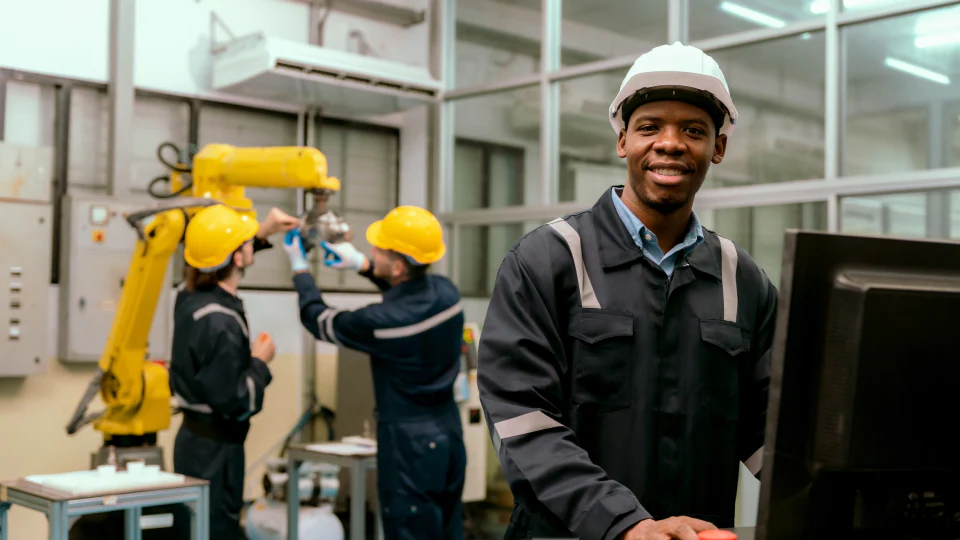
Another important aspect of Industry 4.0 is the role of automation and robotics. While robots have been a part of manufacturing for decades, the latest advancements in AI and machine learning are enabling machines to perform increasingly complex tasks, from precise assembly to intricate quality control. These robots can work alongside humans in a collaborative environment, improving both productivity and safety.
The Environmental and Social Impact of Manufacturing
While the technological advancements in manufacturing have brought immense benefits in terms of efficiency, quality, and customization, the industry still faces significant challenges. Chief among them is the environmental impact of large-scale production. Manufacturing processes, especially in industries such as automotive and electronics, are resource-intensive and generate significant waste and pollution.
As consumers and governments alike demand more sustainable practices, manufacturers are under increasing pressure to reduce their environmental footprint. Many companies are adopting circular economy principles, focusing on recycling, reusing materials, and designing products for longevity. For instance, companies like BMW are working to develop electric vehicles and sustainable production methods that reduce both carbon emissions and resource consumption.
Socially, the impact of manufacturing is equally significant. While technological advancements have improved working conditions in many factories, the outsourcing of jobs to countries with lower labor costs has raised concerns about worker exploitation and income inequality. Companies must balance the pursuit of profit with the responsibility of ensuring fair wages, safe working conditions, and ethical supply chains.
The Future of Manufacturing: Challenges and Opportunities
As manufacturing continues to evolve, companies will face a delicate balance between embracing new technologies and addressing the social and environmental challenges that accompany them. The rise of smart factories, AI-driven automation, and sustainable production methods will undoubtedly redefine the industry. However, the industry must also contend with the complexities of an interconnected global economy, where supply chains are fragile, labor standards are inconsistent, and environmental degradation is an ongoing concern.
The future of manufacturing lies in its ability to adapt to these challenges. By leveraging new technologies, embracing sustainability, and prioritizing ethical practices, manufacturers have the opportunity to create a more inclusive, sustainable, and efficient global production system. Ultimately, manufacturing will continue to be a key driver of economic growth, but its success will depend on its ability to innovate responsibly and align with the evolving expectations of consumers, workers, and governments alike.