

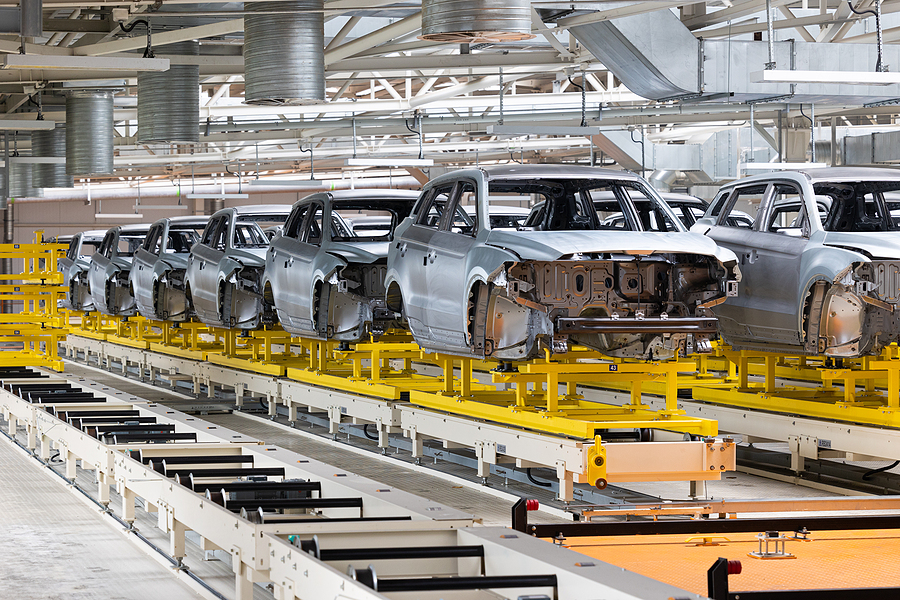
The automotive industry has long been a cornerstone of modern economies, driving innovation, technology, and global mobility. In recent decades, this sector has seen significant changes, with a variety of new trends emerging and challenging old paradigms. From electric vehicles (EVs) to autonomous driving, the automotive world is undergoing a transformative phase, with multiple factors influencing its future. This article aims to explore key aspects of the automotive industry, from technological innovations to market challenges, and provide a glimpse of what lies ahead for this vital industry.
Technological Innovations: The Heartbeat of Change
The automotive industry has always been a hotbed of technological advancements, but the pace at which new technologies are being adopted is unprecedented. One of the most notable developments is the rise of electric vehicles (EVs). These vehicles, powered by electricity rather than fossil fuels, are gaining traction due to their environmental benefits and the growing focus on reducing carbon emissions. EVs offer a significant advantage over traditional internal combustion engine (ICE) vehicles, with zero emissions and lower operating costs. However, there are still challenges to overcome, such as the availability of charging infrastructure and the relatively high cost of EVs compared to traditional vehicles.
In addition to electric propulsion, advancements in autonomous driving technology are poised to reshape the automotive landscape. Self-driving vehicles, also known as autonomous vehicles (AVs), use sensors, cameras, and artificial intelligence (AI) to navigate without human intervention. While fully autonomous vehicles are still in the testing phase, numerous companies, including major automakers and tech giants, are investing heavily in research and development to make this technology a reality. The implications of AVs are vast, from reducing traffic accidents to revolutionizing the way people use transportation.
Sustainability and Environmental Concerns
Sustainability is an increasingly critical consideration in the automotive industry. Governments and consumers alike are pushing for greener, more eco-friendly solutions. The automotive industry’s shift toward electric vehicles is part of a broader movement to combat climate change and reduce greenhouse gas emissions. However, while EVs themselves are cleaner, there are still environmental concerns surrounding their production, particularly the mining of materials like lithium, cobalt, and nickel, which are essential for EV batteries.
Manufacturers are actively seeking ways to address these concerns, such as by sourcing materials more responsibly, developing longer-lasting batteries, and exploring alternative energy sources for vehicle production. Additionally, hybrid vehicles, which combine traditional gasoline engines with electric motors, offer a compromise between environmental responsibility and the convenience of a traditional powertrain. Hybrid models are particularly popular in markets where charging infrastructure for EVs is lacking.
Changing Consumer Preferences: The Rise of Mobility Solutions
Consumer preferences in the automotive industry are also shifting, with an increasing emphasis on convenience and flexibility. In urban areas, car ownership is becoming less appealing to younger generations, who prioritize mobility solutions that offer greater flexibility and lower costs. Ride-sharing services like Uber and Lyft have gained immense popularity, offering consumers an alternative to owning and maintaining a vehicle. The concept of “mobility as a service” (MaaS) is gaining traction, with companies exploring new ways to offer on-demand transportation through shared vehicle fleets.
In response to these trends, automakers are beginning to embrace new business models. Traditional car sales are no longer the only revenue stream for many companies. Instead, automakers are investing in car-sharing platforms, subscription-based services, and other alternatives that cater to changing consumer needs. These shifts not only reflect changes in consumer behavior but also highlight the importance of adaptability in an industry that has historically been slow to evolve.
Globalization and the Shift to Emerging Markets
Another key factor influencing the automotive industry is globalization. As emerging markets continue to grow, particularly in Asia and Africa, automakers are increasingly looking to expand their reach in these regions. China, for example, has become the world’s largest automotive market, with a burgeoning middle class eager to embrace car ownership. Manufacturers are not only building factories in these markets but also tailoring their vehicles to meet local preferences and regulations.
In addition to China, other emerging markets like India, Brazil, and parts of Southeast Asia are becoming key players in the automotive world. The shift toward these regions is driven by a combination of growing wealth, urbanization, and increasing demand for personal transportation. For automakers, this presents both challenges and opportunities, as they must navigate complex regulatory environments, adapt to local consumer preferences, and build strong distribution networks.
The Challenges Ahead: Supply Chain and Labor Issues
While the automotive industry is advancing at a rapid pace, it faces significant challenges as well. One of the most pressing issues is the ongoing supply chain disruptions that have affected manufacturers worldwide. The COVID-19 pandemic highlighted the vulnerabilities of global supply chains, with shortages of essential components such as semiconductors, batteries, and raw materials. These disruptions have caused delays in vehicle production and contributed to higher prices for both new and used cars.
In addition to supply chain issues, labor relations remain a concern. As the industry becomes more automated and reliant on advanced technologies, there is growing anxiety about job displacement. Many workers in traditional automotive manufacturing roles may need to reskill to stay relevant in an increasingly tech-driven environment. The transition to electric vehicles, for example, may also have implications for employment, as EVs have fewer moving parts than traditional vehicles, potentially reducing the number of workers required for assembly.
Looking to the Future: A World of Possibilities
The future of the automotive industry is a world full of possibilities. With advancements in technology, sustainability, and consumer behavior, the next few decades will likely see dramatic changes in how we think about and use cars. While challenges remain, particularly in the areas of supply chain disruptions, labor issues, and environmental concerns, the automotive industry’s ability to innovate and adapt will undoubtedly shape its future. From the rise of electric and autonomous vehicles to the changing landscape of global markets, the automotive world is entering a new era, one that promises to be as dynamic and transformative as ever.