

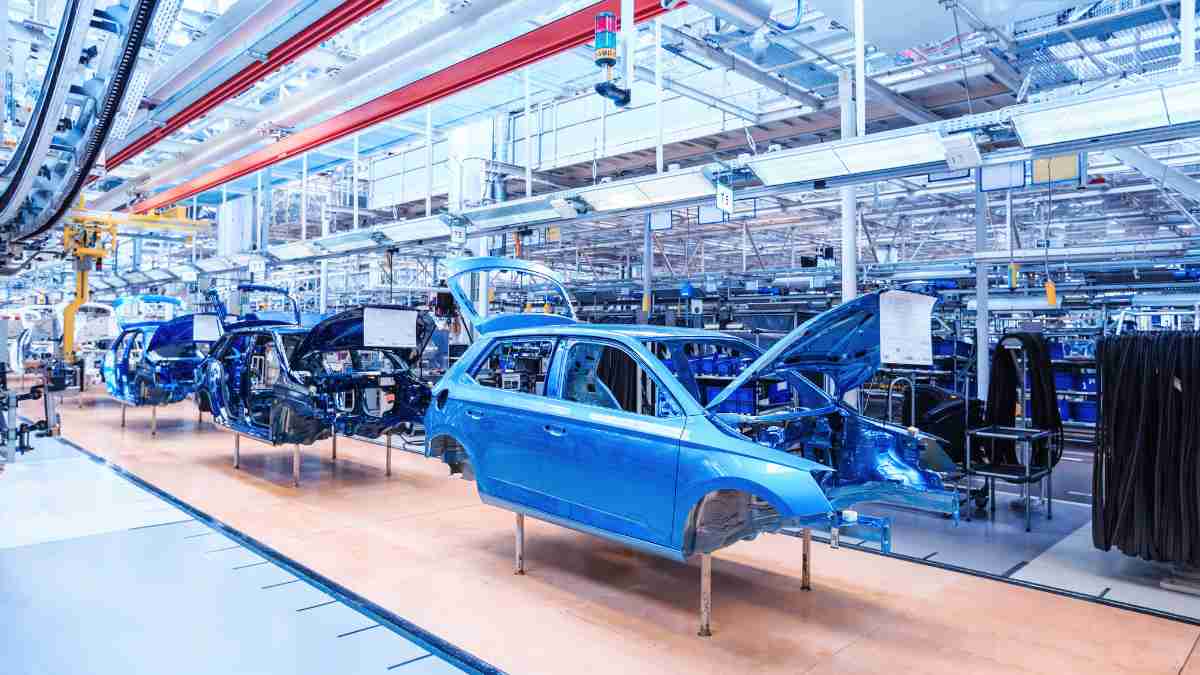
The automotive industry stands as one of the most dynamic sectors in the world, continually evolving to meet the demands of an increasingly tech-savvy and environmentally conscious consumer base. From the early days of the motor car to the futuristic electric and autonomous vehicles of today, the automotive sector has undergone a remarkable transformation. This article explores the historical progression of the industry, current trends, and future innovations that promise to redefine the driving experience.
The Birth of the Automobile: A Revolution in Motion
The story of the automobile begins in the late 19th century when pioneers like Karl Benz, Gottlieb Daimler, and Henry Ford helped bring motorized transport to the masses. The Benz Patent-Motorwagen, introduced in 1886, is widely regarded as the first true automobile. However, it was Ford’s Model T, launched in 1908, that truly revolutionized the industry. By introducing mass production techniques, Ford made cars affordable for the average American family, forever changing the way people viewed mobility.
At the time, the automobile was not just a mechanical invention; it was a symbol of progress and modernity. The internal combustion engine, which powered these early vehicles, became the heart of the automotive world. Over the following decades, manufacturers refined the car’s design, performance, and safety features, laying the foundation for the global automotive industry we know today.
The Rise of Globalization and Innovation
By the mid-20th century, the automotive industry had firmly embedded itself into the fabric of modern society. With the introduction of new models, technological advancements, and the expansion of manufacturing plants globally, the automobile began to take on new forms, from luxury cars to sports vehicles. The 1950s and 1960s witnessed the emergence of iconic American muscle cars, such as the Ford Mustang and Chevrolet Corvette, which became symbols of speed and power.
The 1970s brought a new set of challenges. The oil crisis of 1973 forced automakers to rethink their approach to fuel efficiency. In response, the industry introduced smaller, more fuel-efficient vehicles, and new innovations in engine technology emerged. This era also saw the rise of Japanese automakers like Toyota and Honda, who brought affordability, reliability, and engineering excellence to the forefront of the industry. These companies’ focus on quality and efficiency helped them to gain significant market share in both the United States and Europe.
As the world moved into the late 20th century and beyond, globalization continued to shape the automotive landscape. Manufacturers began to develop vehicles with a global appeal, producing cars that could be sold in multiple markets across different continents. This trend was aided by the rise of multinational corporations and the expansion of emerging markets in regions such as China and India.
The Shift Toward Sustainability: Electric Vehicles and Green Technology
In the 21st century, the automotive industry is undergoing a significant shift towards sustainability. As concerns over climate change, air pollution, and fossil fuel dependence intensify, automakers are increasingly investing in electric vehicles (EVs) and alternative energy solutions. Electric vehicles, once seen as niche products for early adopters, have now become a central focus for many of the world’s largest automakers.
The transition to electric power represents a profound change in automotive technology. Unlike traditional gasoline-powered cars, electric vehicles produce zero emissions and offer a much more energy-efficient alternative. The development of high-capacity batteries, such as lithium-ion technology, has been instrumental in increasing the range and performance of EVs, making them more viable for mainstream consumers. Furthermore, as governments around the world introduce stricter emissions regulations and offer incentives for eco-friendly vehicles, the adoption of electric cars has accelerated.
Tesla, led by entrepreneur Elon Musk, has become the poster child for the electric revolution. The company’s sleek designs, cutting-edge technology, and impressive performance capabilities have helped change public perception of electric cars. Other automakers, including traditional giants like Ford, General Motors, and Volkswagen, have also committed to electrifying their fleets, with many pledging to phase out internal combustion engines over the next two decades.
Beyond electric powertrains, the push for sustainability has spurred innovation in other areas of the automotive industry. The use of lightweight materials, such as carbon fiber and aluminum, helps improve fuel efficiency and reduce the overall environmental impact of manufacturing. Furthermore, autonomous driving technologies, which promise to reduce traffic congestion and improve road safety, are being integrated into future car designs.
The Rise of Autonomous Vehicles: A Glimpse Into the Future
One of the most intriguing developments in the automotive industry is the rapid progress toward autonomous or self-driving vehicles. Autonomous driving technology has the potential to radically alter the way we think about transportation. At its core, the idea of a self-driving car is based on the integration of sensors, cameras, artificial intelligence, and machine learning algorithms, which work together to enable a vehicle to navigate and operate without human intervention.
The advantages of autonomous vehicles are many. By removing the need for a human driver, these vehicles could reduce the number of traffic accidents caused by human error, enhance mobility for those unable to drive, and potentially lead to more efficient transportation networks. Companies such as Waymo (a subsidiary of Alphabet Inc.) and Uber are at the forefront of autonomous vehicle development, while traditional carmakers like General Motors, Ford, and BMW have also entered the race.
However, the widespread adoption of autonomous vehicles remains a distant prospect due to several hurdles, including technological limitations, regulatory issues, and public acceptance. While autonomous vehicles have made significant strides in controlled environments, such as test tracks and specific urban areas, they still face challenges in adapting to the complexity of real-world driving conditions. Issues like inclement weather, unpredictable human behavior, and infrastructure limitations are just some of the obstacles that need to be addressed before autonomous vehicles become a common sight on the roads.
The Future of Mobility: Connectivity and the Role of Artificial Intelligence
Looking ahead, the automotive industry is not only focused on the physical vehicles themselves but also on the broader ecosystem in which they operate. The concept of “smart mobility” is gaining traction, as automakers and tech companies work to integrate vehicles into a connected, data-driven world. Through the use of 5G networks, the Internet of Things (IoT), and cloud computing, cars will increasingly become part of a larger network of devices and services, offering seamless experiences for drivers and passengers.
Connected vehicles will be able to communicate with each other, traffic infrastructure, and even pedestrians, allowing for safer and more efficient transportation. Artificial intelligence (AI) will play a key role in this transformation, enabling cars to learn from data, predict traffic patterns, and optimize routes in real-time. These advancements promise to improve both the convenience and safety of travel, creating a more integrated and user-friendly transportation ecosystem.
Conclusion: The Road Ahead
The automotive industry is in the midst of one of the most significant transformations in its history. From the early days of the automobile to the rise of electric vehicles, autonomous driving, and smart mobility, the future promises to be more exciting and challenging than ever before. As automakers continue to innovate and adapt to the demands of a changing world, the road ahead will undoubtedly be filled with new opportunities, technologies, and possibilities. While it remains to be seen how these trends will unfold, one thing is certain: the automotive industry will continue to be a driving force in shaping the future of global mobility.